
-
Morita Koshu Winery 〈Champmoli Kamishibu Koshu〉
Regular price ¥1,870 円Regular priceUnit price per -
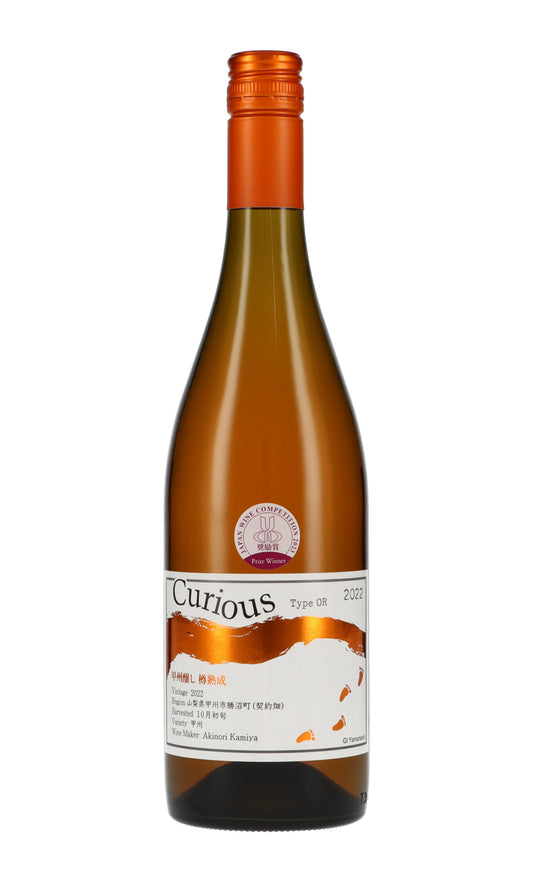
Souryu Wine <curious type or></curious>
Regular price ¥2,211 円Regular priceUnit price per -
Asaya Wine 〈Katsunuma Koshu – Kamoshi〉
Regular price ¥2,200 円Regular priceUnit price per -
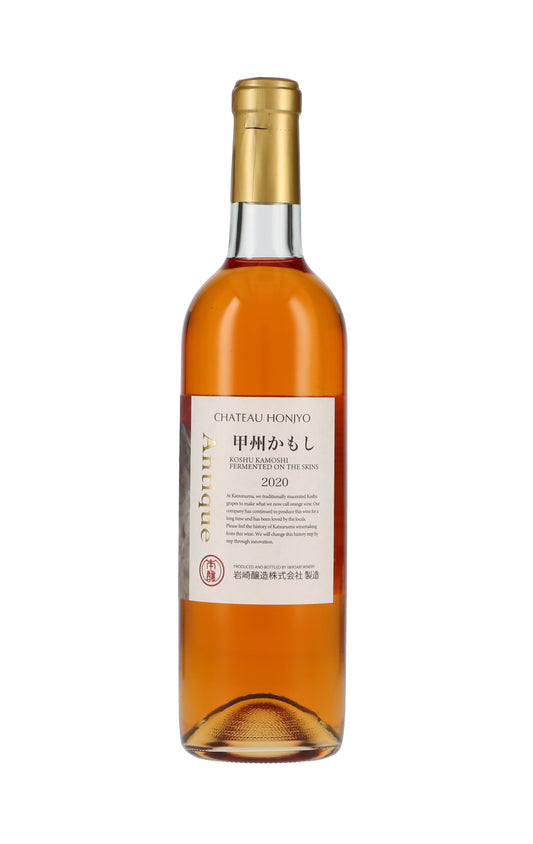
Iwasaki Brewing 〈Chateau Honjo Koshu Yamakashi Toki ni Moeru〉
Regular price ¥2,970 円Regular priceUnit price per -
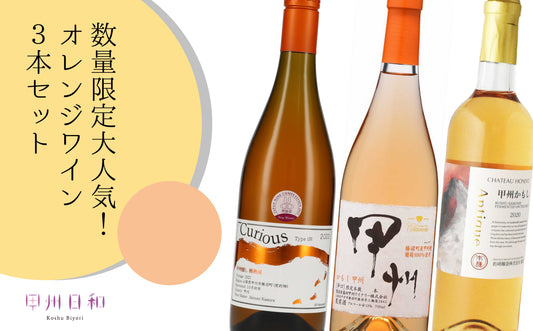
Limited Quantity! Popular Orange Wine 3-Bottle Set
Regular price ¥6,930 円Regular priceUnit price per -
Asaya Wine 〈ASAYA KOHAKUIRO Sparkling〉
Regular price ¥4,180 円Regular priceUnit price per -
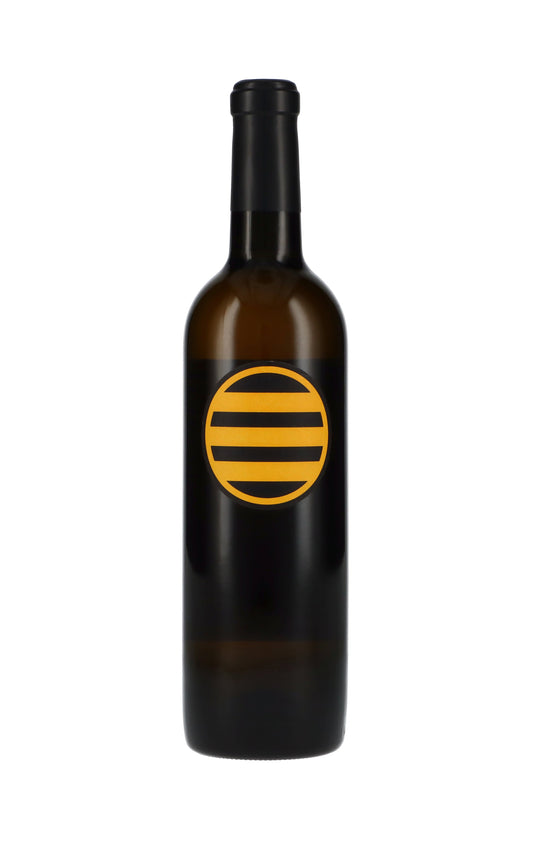
Domaine Hide 〈Japonica Koshu Appassement〉
Regular price ¥19,800 円Regular priceUnit price per¥22,000 円Sale price ¥19,800 円Sale -
 Sold out
Marusan Wine 〈Brewed Koshu〉
Regular price ¥2,376 円Regular priceUnit price per -
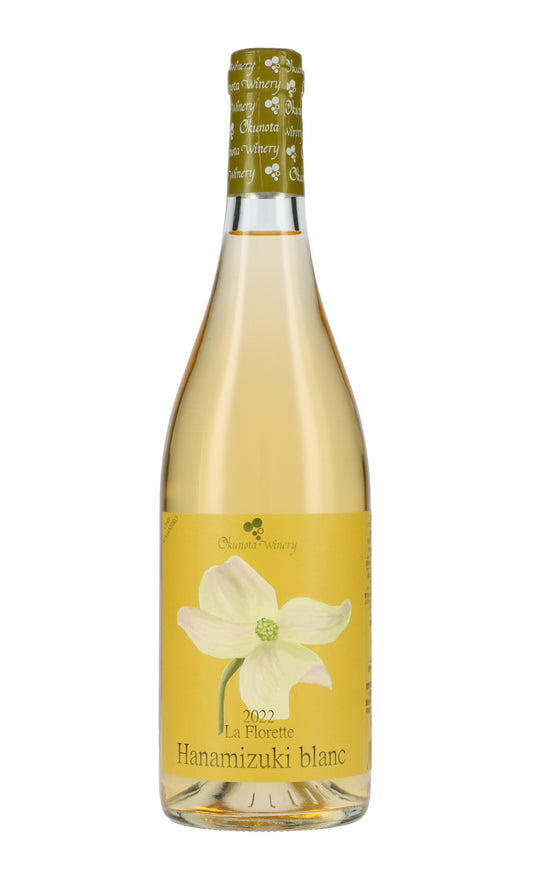
Okunoda Wine Winery 〈Hanamizuki Blanc〉
Regular price ¥2,750 円Regular priceUnit price per




What is orange wine?
-

Orange wine is increasingly recognized as the fourth wine category after red, white, and rosé. Like white wine, it is made from white grape varieties, but by fermenting the grapes with their skins and seeds, it develops a complex flavor with skin-derived aromas and a level of bitterness rarely found in white wine. In Georgia, the birthplace of wine, the maceration process is exceptionally long, resulting in a beautiful amber color, which is why it is called amber wine.

Yamanashi Prefecture Orange Wine
-

Many Japanese wineries, particularly those centered in Katsunuma, Koshu City, traditionally made wine using the “fushi style,” where white wine is fermented with the grape skins intact—a method common before the advent of advanced machinery capable of extracting only the juice. The indigenous Japanese “Koshu” grape, in particular, is characterized by fresh acidity and bitterness or astringency reminiscent of citrus peel. While honoring the fushi style of their predecessors, wineries are now creating new orange wines that bring out the individuality of the grapes and reflect the winemakers’ own philosophies.

-

Orange wine varies greatly in flavor and aroma depending on the grape variety, region, and maceration period, and this diversity is one of its charms. For example, <Iwasaki Brewing Chateau Honjo Koshu Kashimashi> is finished with a beautiful orange hue by fermenting late-harvested Koshu grapes,
and by subtly adjusting the maceration period each year, it achieves a smoky, long-lingering flavor reminiscent of black tea and apricots. In addition, <Domaine Hide Japonica Koshu Appassimento> is made without chaptalization or filtration to bring out the rich flavor of raisins, while <Marusan Wine Koshu Kashimashi> uses coarse filtration to fully bring out the fresh citrus aromas of Koshu grapes.
Except for <Domaine Hide Japonica Koshu Appassimento>, all use Koshu grapes grown in Katsunuma, so it is also fun to discover how different makers bring out different characteristics from grapes harvested in the same area. First-time orange wine drinkers will surely be surprised to discover, "it makes such a difference when the skins are included." Although the characteristics of the wine may vary depending on the vintage, please use the chart as a guide to make your selection.

Also pairs well with Japanese and spicy cuisine
-

The tannins found in the skins and seeds of orange wine provide bitterness and richness, which pair beautifully with a wide variety of Japanese and Western dishes. In particular, this orange wine made with Koshu grapes is not overly bitter and pairs exceptionally well with Japanese cuisine. It complements not only oden, which contains “dashi” and “umami,” but also traditional fermented seasonings based on miso and soy sauce. The tannins in the orange wine also complement slightly bitter ingredients such as thistle buds and Japanese leek, as well as fried foods like kushikatsu and fried shrimp.

-

Until now, Indian, Korean, and other ethnic cuisines made with spices have been considered difficult to pair with wine because white wine can be too delicate, while the strong tannins in red wine clash with the spiciness. However, these dishes pair beautifully with orange wine, which falls somewhere in between. The fresh fruit notes of orange wine make it an excellent match for Thai-style salads and gapao rice featuring fresh herbs, lime, and nam pla. This is a pairing we highly recommend trying at least once.
Orange wine is best enjoyed chilled to bring out its fruity aromas, refreshing quality, and crisp acidity, while slightly warming it enhances its tannins and deep aromas. If you are unsure whether to choose red or white wine, why not try an orange wine, which can be enjoyed year-round?
If you have any other questions about wine, please contact us using the email form or phone number listed on the Katerial website.


